
Brokerage
Risk Management Strategies for Stock Market Investors
By Muhammad Abbas · · Updated · 6 min read
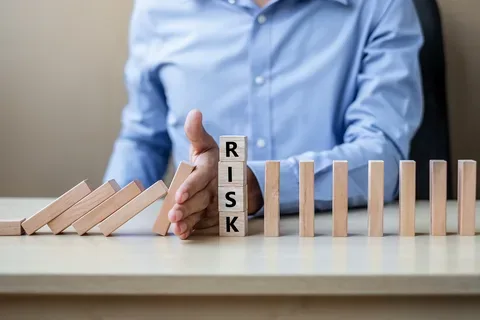
Investing in Pakistan’s stock market can be both rewarding and unpredictable. Market movements often reflect political changes, currency fluctuations, and shifts in investor sentiment. The Pakistan Stock Exchange (PSX) offers strong opportunities for growth, but without proper risk management, even experienced investors can face heavy losses during volatile periods.
Risk management is essential for every investor who wants to protect capital while taking advantage of market opportunities. It’s about avoiding risk as well as controlling it. In a market where liquidity can tighten quickly and sentiment changes fast, structured strategies help maintain stability and confidence.
This guide explores practical risk management strategies for stock market investors in Pakistan, focusing on ways to minimize downside exposure, manage volatility, and build portfolios that can withstand economic and political uncertainty.
Key Risks in the Pakistani Stock Market
Before making any investment decision, understanding the risks shaping the Pakistan Stock Exchange (PSX) is essential. The market is influenced by economic, political, and external factors that move faster than most investors anticipate. Recognizing these risks helps investors plan better and protect their portfolios.
1. Market Risk
Market risk remains the most significant challenge. The KSE-100 Index experiences frequent swings due to changes in global oil prices, shifts in monetary policy, and investor sentiment. For instance, Pakistan’s import bill rises when Brent crude prices climb, directly affecting energy-intensive sectors.
The State Bank of Pakistan (SBP) periodically adjusts its policy rate to balance growth against inflation, and any shift in monetary policy can heighten market uncertainty. Ongoing negotiations with the IMF further add to investor uncertainty, often leading to sudden corrections in the market.
2. Liquidity Risk
Liquidity risk affects how easily investors can buy or sell shares without causing sharp price changes. Blue-chip stocks such as Habib Bank Limited (HBL) and Engro Corporation usually maintain active trading, but mid-cap and small-cap companies often lack consistent volume.
On low-trading days, exiting positions can become difficult and costly. Although trading volumes on the PSX have improved as of 2025, liquidity remains uneven across sectors.
3. Political and Regulatory Risk
Pakistan’s market is highly sensitive to political and policy developments. Coalition governments, shifting alliances, and frequent policy changes can impact investor confidence overnight.
Announcements from the Finance Ministry, such as dividend tax revisions in the 2025 budget, temporarily triggered a wave of selling earlier this year.
Similarly, new regulations from the Securities and Exchange Commission of Pakistan (SECP), including amendments to share issuance rules introduced in August, were designed to improve transparency but have increased compliance obligations for listed firms.
4. Currency and Inflation Risk
The Pakistani Rupee (PKR) has regained some strength against the US dollar in recent months. Yet, exchange rate volatility continues to affect import-reliant sectors like energy, automobiles, and consumer goods. Inflation adds another layer of pressure.
After reaching a low of 0.3% in April, it is expected to average around 6% for FY2025, reducing real returns and compressing profit margins. Sectors such as cement and fertilizers, which depend heavily on imported inputs, are particularly exposed to rising costs.
Understanding these risks allows investors to anticipate changes instead of reacting to them. Ignoring them often leads to poor timing and unnecessary losses.
Core Risk Management Strategies
Here are some risk management strategies for you:
Diversification with Intent
Avoid single-sector bets on banks, cements, or E&Ps just because they’re “familiar.” Blend cyclical names with defensives (power, fertilizers, staples), and add Shariah-compliant funds or ETFs if that suits your mandate.
Proper diversification in Pakistan also means mixing listed equities with money-market funds, T-bills/PIBs (direct or via mutual funds), and gold, so your portfolio isn’t hostage to one narrative.
Aim for exposure to at least 5–7 sectors and avoid letting any single name grow beyond 10% of total equity value unless you have a high-conviction, research-backed case.
Asset Allocation Anchored to the Risk-Free
Match your split to horizon and drawdown tolerance:
- Conservative: 40–50% money-market/fixed income funds, 30–40% equities, 10–20% gold/alternatives.
- Moderate: 25–35% income, 50–60% equities, 10–15% gold.
- Aggressive: 10–20% income (dry powder), 70–80% equities, 5–10% gold.
Why keep income funds even if you’re aggressive? Because market cycles in Pakistan can turn quickly. Income sleeves give you the optionality to buy weakness without forced selling.
Stop-Loss and Take-Profit Discipline
Stop losses are your safety belt in fast markets. Decide levels before you enter, and implement them inside your broker app or terminal (JS Global TradePro, InvestPro, AKD TradeCast, etc.). Most leading platforms support conditional orders, alerts, and risk dashboards; explore them and practice in demo modes if available.
Don’t set stops unrealistically tight on illiquid scrips; you’ll get whipped out. For liquid large caps, many Pakistani traders aim for a 7–12% maximum loss from entry and scale out into strength at predefined targets.
Hedging for Advanced Investors
Options can transfer risk when you need insurance during events. A protective put is placed below your core holding to cap the downside while keeping the upside open.
Index futures or put options can hedge a basket ahead of budget announcements, monetary policy, or geopolitical risk. Hedging has a cost; make it selective and purposeful.
Respect Market Microstructure
PSX uses index-based market halts on large KSE-30 moves to cool order flow. Understanding these rules helps you avoid panic during spikes. Documentation shows halt triggers around defined percentage bands, and in 2025, there were hour-long halts when thresholds were breached.
Margin = Amplified Risk
Pakistan’s NCCPL runs risk frameworks for Margin Trading System (MTS) and Margin Financing (MFS), including daily mark-to-market cash settlement of losses.
Leverage magnifies both gains and losses; ensure you can post collateral through volatility. If you must use margin, ring-fence it to high-liquidity names and keep overall leverage low.
Tax-Aware Risk Decisions
Tax treatment affects net risk/return. In Budget 2024-25, authorities removed the slab-wise holding benefit for CGT on purchases after July 1, 2024; filer CGT top rate remains 15%, while non-filer rates rose to 45%.
How to Build a Risk-Managed Portfolio
Here are some steps you can take to build a risk-managed portfolio:
- Set clear goals. Define your investment horizon and expected returns.
- Determine your risk appetite. Be realistic about the potential losses you can tolerate.
- Select diversified assets. Mix equities, bonds, and other instruments.
- Use automation tools. Portfolio management apps help monitor and rebalance automatically.
- Review performance periodically. Adjust strategies as market conditions change.
Common Mistakes to Avoid
There are some mistakes you must avoid to have better outcomes:
- Ignoring risk altogether. Overconfidence can lead to heavy losses.
- Over-diversifying. Too many holdings reduce returns and increase complexity.
- Chasing high returns. Aggressive bets without proper analysis increase downside risk.
- Skipping research. Investing unquestioningly based on trends or tips rarely ends well.
- Neglecting portfolio updates. Outdated allocations weaken long-term performance.
Conclusion
When investing in PSX, expect to face risks. Nothing worth having comes risk-free. You just have to play smart. A thoughtful mix of diversification, disciplined planning, and emotional control builds long-term wealth stability.
Investors who understand risk and act strategically stand a better chance of growing their portfolios with confidence and consistency.
If you can’t do all this on your own but still wish to invest in PSX, brokers like Bhayani Securities (BSL) can help you. Connect with us and we’ll help with your investment.
Frequently Asked Questions
What are the main types of risks in the Pakistan Stock Exchange?
The PSX faces market volatility due to global factors, liquidity issues in smaller stocks, political uncertainties, currency devaluation, and inflation pressures, all of which can erode returns if unmanaged.
How can beginners start risk management in PSX investing?
Beginners should prioritize diversification across 5-10 stocks or funds, use stop-loss orders at 10% below entry, and limit each position to 2% of their portfolio for controlled exposure.
Is gold a good hedge for PSX risks in 2025?
Yes, with gold up 44% this year amid high political risks, allocating 5–10% to gold ETFs or physical bars can buffer against PKR weakness and inflation.
What role does SECP play in protecting PSX investors?
SECP enforces regulations like the 2025 amendments to share issuance rules and corporate governance codes, ensuring transparency and curbing malpractices through investor education and compliance checks.
How often should I rebalance my PSX portfolio?
Rebalance quarterly or after significant events, such as budget announcements, to maintain your target allocation and prevent drift from gains in one asset class.

Written by
Muhammad Abbas
CEO, Bhayani Securities (Pvt) Ltd.
Need Guidance?
Book a free consultation with our licensed investment advisors.